
Rhode Island Rear End Accident Claims: Who Is At Fault?
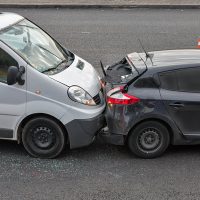
Rear end collisions are among the most common types of car accidents in Rhode Island. If you have ever been stuck in traffic on I-95 or navigating busy city streets, you know how quickly these crashes can happen. But when they do, a key question follows: who is actually at fault?
Understanding how fault is determined can help you make sense of the claims process and what factors may come into play.
Why Rear End Drivers Are Often Considered Responsible
In many cases, the driver who hits another vehicle from behind is presumed to be at fault. This is largely because drivers are expected to maintain a safe following distance and stay alert to changing traffic conditions. If a vehicle stops suddenly and the driver behind cannot react in time, that often points to issues like distracted driving or following too closely.
Rhode Island law reinforces this expectation. Under Rhode Island General Laws § 31-15-12, drivers must not follow another vehicle more closely than is reasonable and prudent given traffic and road conditions.
That said, this presumption is not automatic in every situation. Each accident is unique, and fault depends on the specific facts involved.
Situations Where Fault May Be Shared
Not every rear end accident is straightforward. There are scenarios where the lead driver may share some responsibility. Rhode Island follows a comparative negligence system, meaning fault can be divided between multiple parties.
Some examples where fault might be shared include:
- A driver suddenly stops without a clear reason
- Brake lights on the lead vehicle are not functioning
- A vehicle reverses unexpectedly into another car
- Hazardous road conditions contribute to the collision
In these situations, investigators and insurance companies will look at evidence such as police reports, witness statements, and vehicle damage to determine how responsibility should be allocated.
How Evidence Impacts a Claim
If you are involved in a rear end accident, documentation plays an important role in understanding what happened. Photos of the scene, damage to vehicles, and even traffic camera footage can all contribute to the bigger picture.
Insurance adjusters may also review weather conditions, traffic flow, and driver behavior leading up to the crash. For example, was one driver distracted by a mobile device? Was there heavy rain that reduced visibility?
All of these details can influence how fault is assessed and how a claim moves forward.
Let Us Support You Today
Rear end accidents may seem simple at first, but they can quickly become more complex when fault is disputed. Understanding your position under Rhode Island law is an important step if you are considering a claim.
At Robert E. Craven & Associates, we work with individuals navigating personal injury matters, including car accidents. If you have questions about your situation, our team is here to help. Contact our team today to discuss your next steps with our dedicated Rhode Island personal injury lawyers.
Source:
webserver.rilin.state.ri.us/Statutes/TITLE31/31-15/31-15-12.HTM
